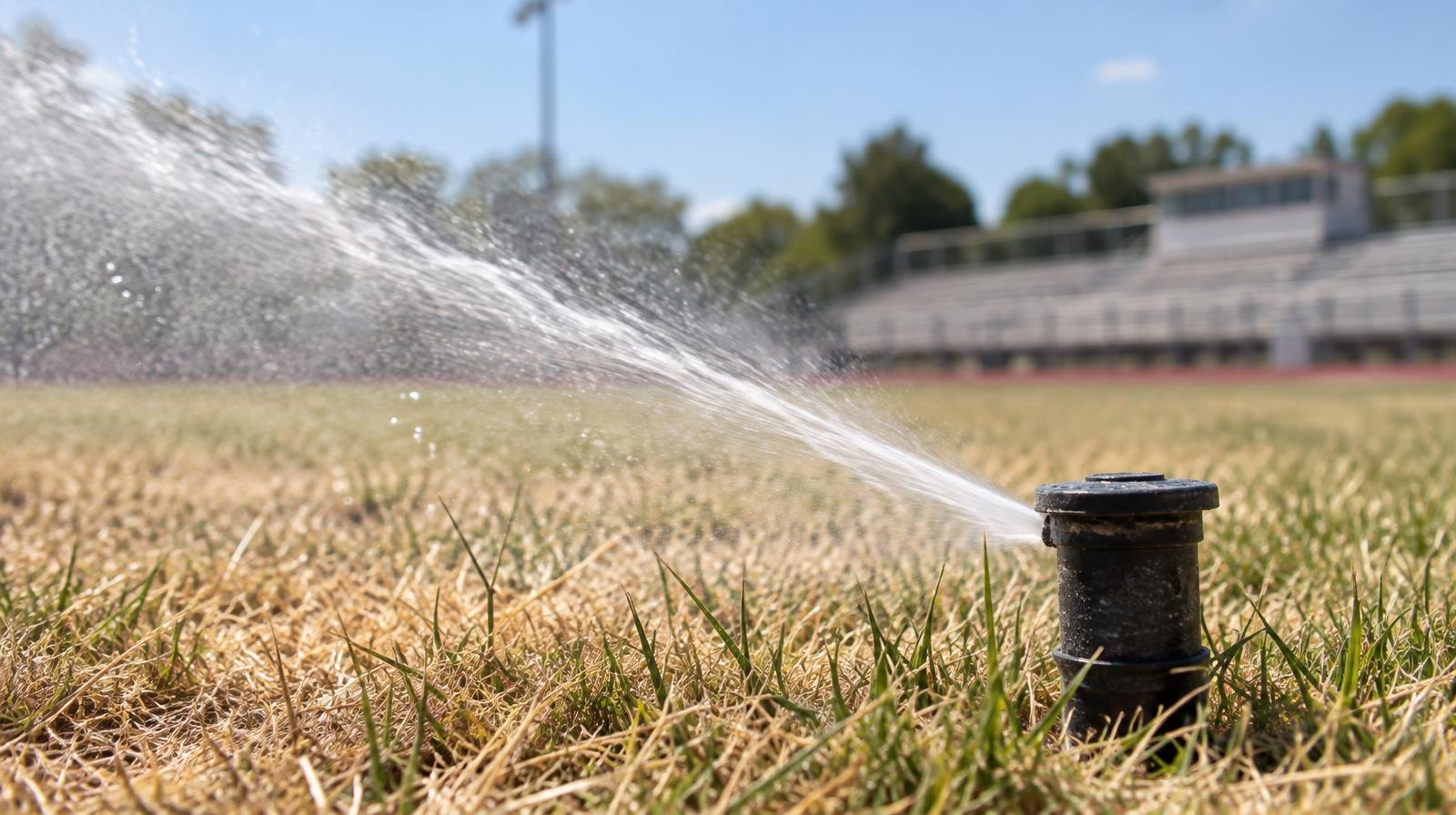
Littleton Public Schools faced a 20% cut to irrigation water use during summer 2026's historic drought and turned to two staff members to make it work.
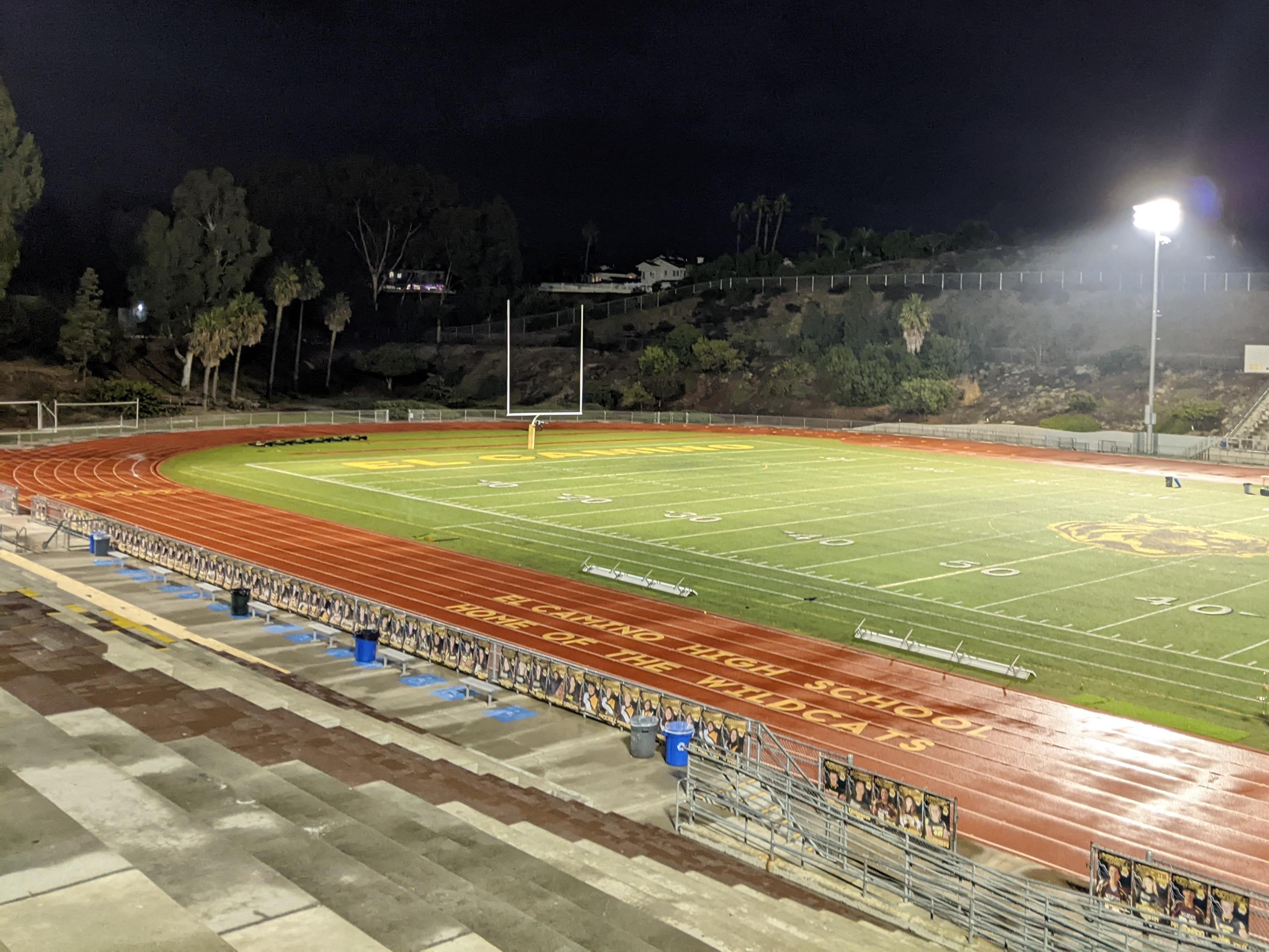
Irrigation technicians Daniel Gorman and Matt McCray assessed water needs school by school, according to a district article published Nov. 5. They reduced watering on decorative landscaping and perennial beds while redirecting available water to athletic fields and playgrounds.
The tradeoffs were real. Some lawns around school buildings suffered drought damage and will need reseeding when conditions improve, the district said.
Why the district had to cut back
Under its agreement with Denver Water, LPS was required to reduce irrigation water consumption by 20% compared with its previous five-year average, the district said. Denver Water declared a Stage 1 drought on March 25, setting a system-wide 20% reduction goal. Government properties were limited to watering on Tuesdays and Fridays.
As of March 23, Denver Water's reservoir storage stood at 80% full, below the 85% average for that time of year. Snowpack in the utility's two primary watersheds was the worst on record, according to Denver Water.
Conditions worsened through the summer. On Aug. 26, the Denver Board of Water Commissioners banned lawn watering as of Oct. 1. By late August, reservoir storage had dropped to 72% full, well below the historic median of 94%.
How Gorman and McCray did it
The two technicians used a method called cycle-soak watering, which applies water in shorter intervals so moisture can absorb into the soil before the next round. That approach helps water reach where it is needed while minimizing waste, the district said.
They also upgraded hardware across district properties: adjusting sprinkler head spacing, installing high-efficiency nozzles, adding automatic rain shutoffs and putting in flow detection equipment and master valves. A centralized irrigation control system let them adjust schedules based on changing weather.
Throughout the summer, Gorman and McCray monitored temperatures, rainfall and vegetation conditions, making real-time changes and extending watering shutdowns after rainstorms. Previous bond-funded irrigation infrastructure gave the team greater control over how and when water was used, the district said.
Two schools needed extra water
Ford Elementary School had a playground field project that required new turf to take root. Euclid Middle School had a construction project that needed new landscaping established. Both demanded additional watering during a summer when the district was trying to use less everywhere else.
To accommodate those projects, the team found deeper cuts at other sites and continually adjusted irrigation schedules based on vegetation conditions.
What comes next
The district said several upgrades made during the summer will carry forward: improved watering zones, better equipment and more efficient system management. The LPS operations team is also exploring drought-tolerant turf and xeriscaping as longer-term options, while evaluating costs and benefits.
Through the end of September, Denver Water customers overall had reduced water use by 9%, the Denver Post reported. Denver Water bills will rise $3.25 to $4.53 per month starting Jan. 1, 2027, KDVR reported, citing the ongoing drought.