Gov. Jared Polis proposed spending an additional $212.1 million on Colorado K-12 schools in his eighth and final budget plan, released Monday, Nov. 2.
The increase would bring statewide K-12 spending to about $10.4 billion and raise per-pupil funding to $12,814, about $488 more than the current year, Chalkbeat reported.
Those numbers matter for Cherry Creek School District, which runs an $840 million annual operating budget for fiscal year 2025-26, according to the district's school funding page. Nearly 90% of that budget goes to salaries and benefits. Colorado ranks in the bottom third of states for K-12 funding and trails the national average by $2,000 to $2,500 per student, the district says.
But the budget is a starting point, not a finish line.
Election results will rewrite the math
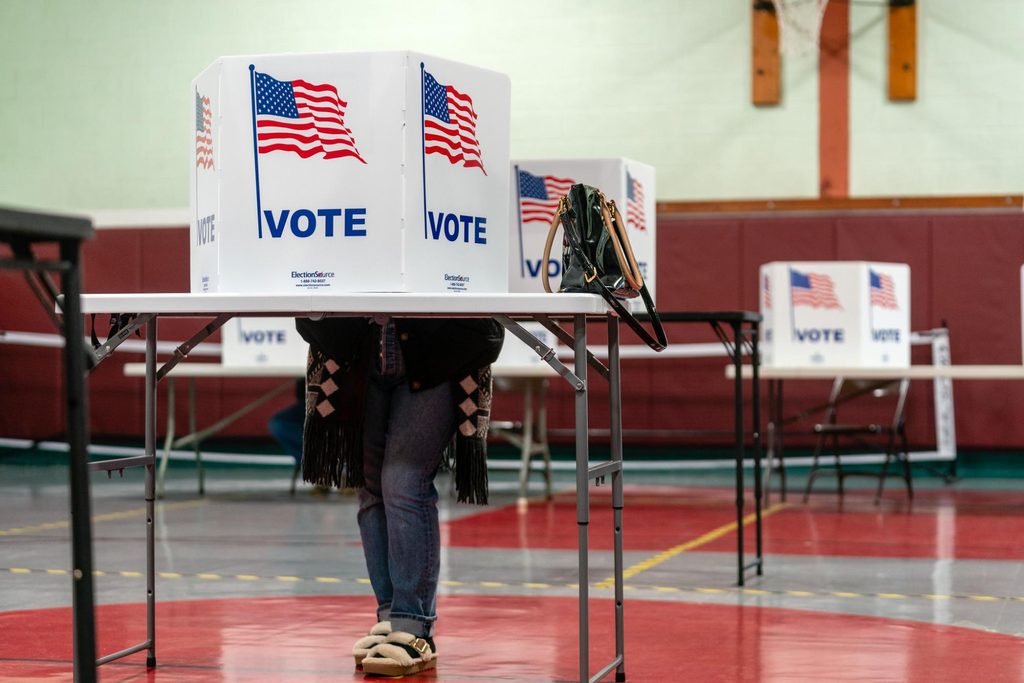
Voters on Nov. 3 will elect a new governor with different budget priorities, Chalkbeat reported. They will also decide on Proposition NN and Amendment 87, two ballot measures that could significantly alter the state's education funding outlook.
Proposition NN, the only legislatively referred measure on the ballot, would raise the cap on tax revenue the state can keep under the Taxpayer's Bill of Rights (TABOR). The measure would increase K-12 education funding by about $500 million a year, according to a Chalkbeat voter guide. If it passes, taxpayers would likely give up their annual TABOR refunds for at least several years, according to Colorado's ballot information book.
The state would first use Proposition NN money to help fund school districts, teacher pay raises, career education and smaller class sizes, according to Chalkbeat.
Amendment 87 would replace Colorado's flat 4.4% income tax with a graduated system of six brackets ranging from 3.7% to 8.4%, according to a separate Chalkbeat voter guide. Taxpayers earning below $500,000 would pay the current rate or less. Those earning above $500,000 would pay more, with the top rate hitting 8.4% for incomes above $1 million.
Colorado's ballot information book estimates the measure would generate about $2 billion in additional state revenue by 2028, Chalkbeat reported.
Budget deficit looms over both measures
The stakes are high. Colorado faces a budget deficit exceeding $1 billion for the third consecutive year, driven largely by rising Medicaid costs, according to Chalkbeat. Two studies released in 2025 found the state needs $3.5 billion to $4.1 billion more each year to adequately fund schools.
Both measures have drawn sharp political lines. Democratic lawmakers placed Proposition NN on the ballot, while Republicans unanimously opposed it. The Colorado Education Association, the state's largest teachers union, pushed for the measure.
Amendment 87 faces its own complications. A rival measure, Proposition 136, would cap the state income tax rate at 4.4%, creating a direct conflict. Attorney General Phil Weiser, a Democratic candidate for governor, said in a statement reported by the Denver Gazette that he opposes Amendment 87 because both measures could pass simultaneously. That scenario "could leave a $600 million hole in the budget," Weiser said.
What Polis's budget includes beyond K-12
The governor's proposal also includes $7.3 million for universal preschool, one of his signature initiatives, and $3.5 million to extend state grants for afterschool and summer programming for three additional years, according to Chalkbeat.
State law requires the governor to submit a budget proposal by early November. The six-member Joint Budget Committee typically uses the draft to craft a spending proposal during the legislative session starting in January.
The next governor's priorities and Nov. 3 election results will determine which of these numbers survive into the final budget.