Seven candidates will compete to become Colorado's next governor on Tuesday, Nov. 3, replacing Democrat Jared Polis, who is term-limited after two four-year terms.
Democrat Phil Weiser and Republican Victor Marx are the major-party nominees. Five other candidates also appear on the ballot, according to the Colorado Secretary of State's official candidate list, which was certified to counties on Sept. 4.
The winner will serve a four-year term starting in January. Colorado has not elected a Republican governor since 2002, according to Colorado Public Radio's voter guide.
What the governor does
Colorado's governor signs or vetoes legislation, prepares the state budget, oversees executive agencies and sets policy agendas, according to the Coloradoan. The governor also serves as commander in chief of the state's military forces and can call the General Assembly into special session.
The next governor inherits a tight budget. Democrats control the legislature by wide margins, and lawmakers dealt with a $1.5 billion shortfall this year, CPR reported. Those budget pressures are expected to continue.
The major-party candidates
Phil Weiser (Democrat) has served as Colorado attorney general since 2019, according to CBS Colorado. He previously was dean of the University of Colorado Law School and held positions in the U.S. Department of Justice during the Clinton and Obama administrations, according to a Coloradoan Q&A. He also clerked for U.S. Supreme Court Justices Byron R. White and Ruth Bader Ginsburg. Weiser defeated U.S. Sen. Michael Bennet in the June Democratic primary.
His running mate is Jefferson County Commissioner Lesley Dahlkemper, a former Jeffco School Board president, according to the Canyon Courier.
Weiser's campaign says he would work to build 40,000 affordable starter homes, expand down-payment assistance and protect renters, according to CBS Colorado. On the budget, he has proposed audits and performance reviews and wants to overhaul the Taxpayer's Bill of Rights (TABOR) so the state could keep more revenue in surplus years. He has called Colorado's 2026 artificial intelligence consumer-protection law a mistake and says he wants to appoint a chief innovation officer to boost the economy.
His office said he has filed or joined 82 lawsuits against the Trump administration since January 2025, according to CPR.
Victor Marx (Republican) is a U.S. Marine Corps veteran and founder of All Things Possible Ministries, a Colorado Springs-based religious and humanitarian nonprofit, according to a Coloradoan Q&A. He entered the race as a political newcomer with a social media following of nearly 3 million, CBS Colorado reported. He narrowly defeated state Sen. Barbara Kirkmeyer and state Rep. Scott Bottoms in the Republican primary.
His running mate is George Washington Markert, a retired Marine colonel and Broomfield resident, according to the Secretary of State's candidate list. Markert moved to Colorado about three years ago, Colorado Pols reported.
Marx's campaign says he would cut regulations, review what he calls "cost-inflating mandates" and push for property tax relief, according to CBS Colorado. He says the state has a spending problem and would use zero-based budgeting, phase down the state income tax and end state fees he says circumvent TABOR. He says he would support law enforcement, combat fentanyl trafficking and expand apprenticeship programs.
Other candidates on the ballot
- Greg Lopez (Unaffiliated) — A former Parker mayor who briefly served in Congress in 2024, Lopez left the Republican Party earlier this year, CPR reported. His running mate is Taralyn Romero, a healthcare industry professional and property-rights advocate, according to the Pagosa Daily Post. Lopez proposes a state "Department of Government Efficiency," 25,000 starter homes in four years and help for rural hospitals, CBS Colorado reported.
- Stephen T. Hamilton (American Constitution Party) — Running mate: James K Treibert.
- Eric Mulder (Libertarian Party) — Running mate: Wayne Harlos.
- Jeff Peckman (Unity Party) — Running mate: T.J. Cole.
- Erik Underwood (Approval Voting Party) — Running mate: Frank Atwood.
All candidates and running mates are verified through the Secretary of State's official list.
How to vote
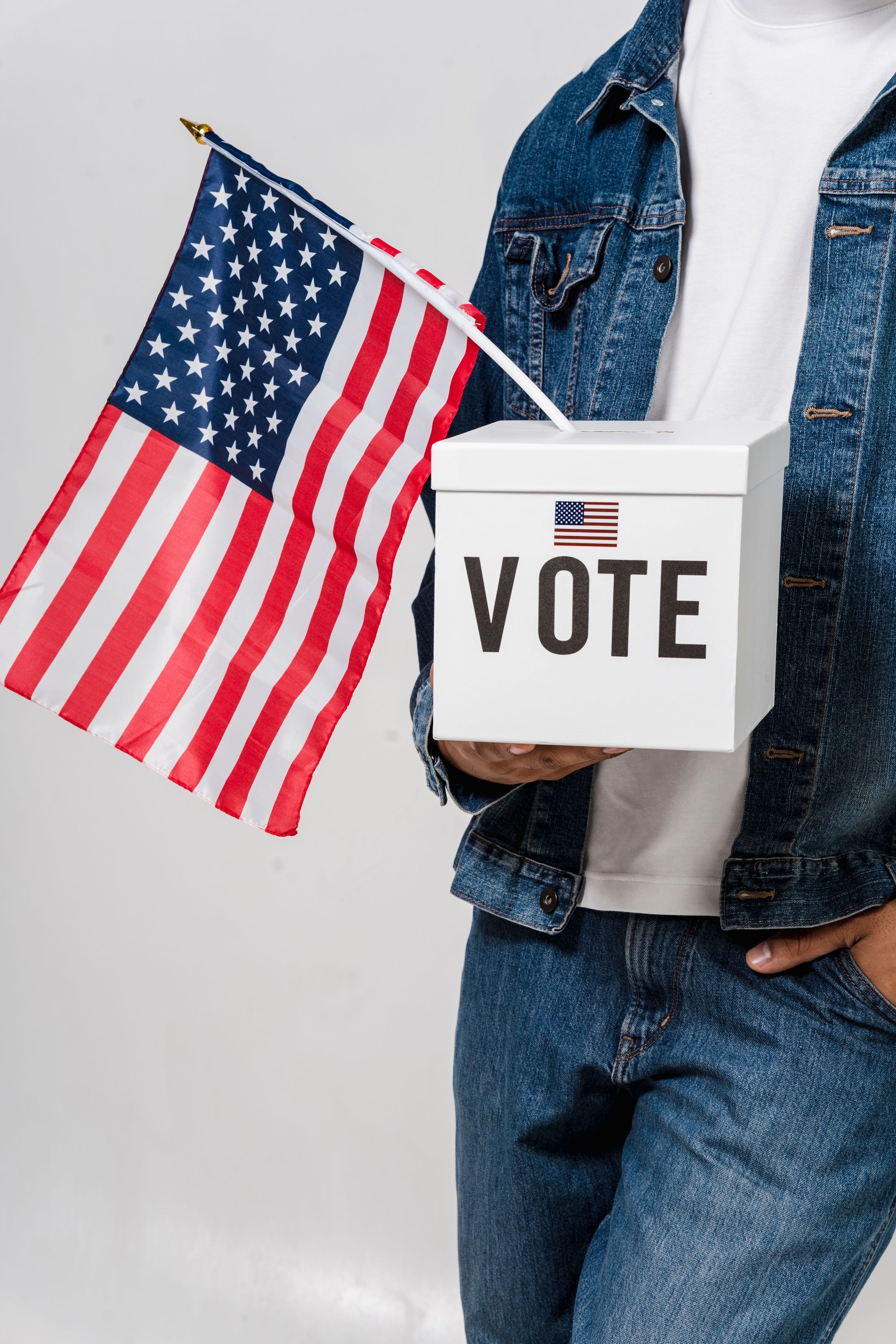
Colorado conducts elections primarily by mail, according to 9News. Ballots must be received by election officials by 7 p.m. on Nov. 3. A postmark does not count.
The Secretary of State's office said voters should return ballots to a drop box or voter center rather than mailing them at this point. Drop boxes and voter centers are open statewide, according to the Secretary of State's website. Colorado allows eligible residents to register through Election Day.
The Secretary of State's office noted that flooding in southwestern Colorado has affected some voting locations. A Pagosa Springs voter center and drop box were relocated due to ongoing rain and potential flooding, according to a Nov. 1 press release on the Secretary of State's website.
Results
After polls close at 7 p.m., counties will upload results to the state's Election Night Reporting system. Counties began processing ballots on Oct. 19, according to a Nov. 2 press release from Secretary of State Jena Griswold's office. Ballots received before Election Day will likely be reported before those cast or received on Nov. 3.
Election-night totals are unofficial. Results will not be posted if a court extends polling hours in any county.
Candidate | Party | Votes | Percentage |
|---|---|---|---|
Phil Weiser | Democratic | Pending | Pending |
Victor Marx | Republican | Pending | Pending |
Greg Lopez | Unaffiliated | Pending | Pending |
Stephen T. Hamilton | American Constitution | Pending | Pending |
Eric Mulder | Libertarian | Pending | Pending |
Jeff Peckman | Unity | Pending | Pending |
Erik Underwood | Approval Voting | Pending | Pending |
Results pending. Unofficial results will be posted after polls close at 7 p.m. Mountain Time on Nov. 3.