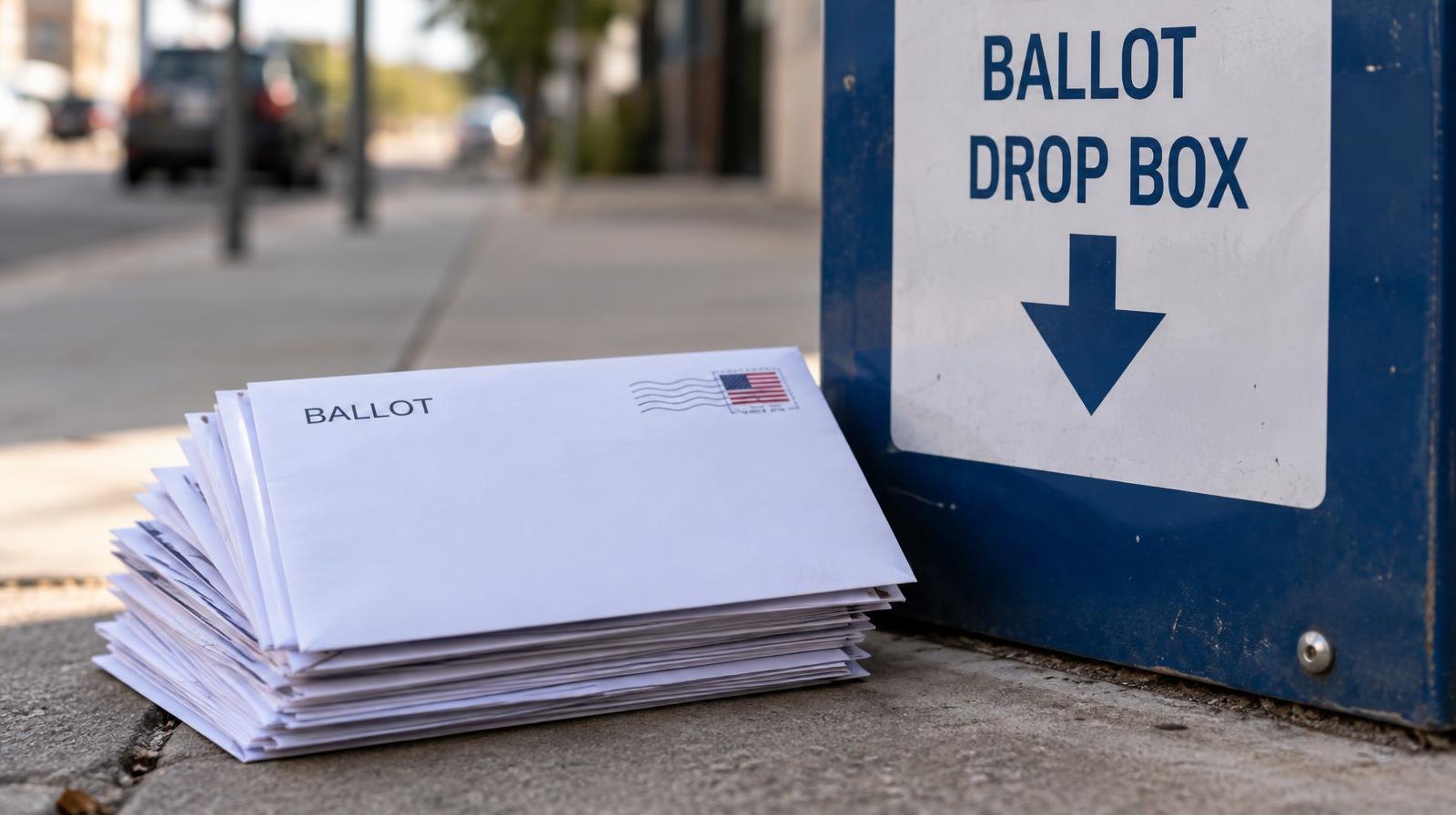
Colorado families in the Cherry Creek and Littleton Public Schools districts face a Nov. 3 ballot carrying two measures that could send billions of new dollars to K-12 education.
Amendment 87 would replace Colorado's flat 4.4% income tax with graduated brackets, generating an estimated $2 billion annually for K-12 education, pre-K, healthcare and childcare, according to The Colorado Sun. Proposition NN would redirect Taxpayer's Bill of Rights (TABOR) refunds to public education, generating an estimated $329.9 million in its first year, according to a separate Colorado Sun voter guide.
Both measures trace back to a budget squeeze that has been building since voters added TABOR to the state constitution in 1992.
How TABOR shaped school budgets
TABOR capped state tax revenue growth at the combined rate of inflation and population growth. Any money collected above that cap must be refunded to taxpayers. Since 1992, the state income tax rate has been cut four times, dropping from 5% to 4.4%, according to a Colorado Sun analysis published Oct. 30.
The result: K-12's share of the state general fund fell from 42% in 1994 to 26% in the 2026-27 budget year, the Colorado Sun reported. Medicaid's Department of Health Care Policy & Financing, meanwhile, overtook the Education Department and now consumes 34% of the general fund.
The state underfunded public schools by $10 billion relative to constitutional requirements under Amendment 23 between 2010 and 2024, the Colorado Sun reported. An Economic Policy Institute study found Colorado teachers earn 41% less than comparable college graduates in other fields.
What each measure would do
Under Amendment 87, taxes would drop to 4.2% or less on the first $100,000 of taxable income. Rates would rise in increments above $500,000, reaching a top marginal rate of 8.4% on income above $2 million. About 97% of Colorado's 3 million taxpayers would see a slight tax cut, according to Colorado Department of Revenue income data cited by the Colorado Sun. Fewer than 100,000 households would pay more.
The money can only be spent on K-12 education, pre-K, healthcare and childcare. Legislative analysts project it would generate about $2 billion for the next budget year, enough to cover the state's projected $1.6 billion deficit with $400 million left over, the Colorado Sun reported.
Proposition NN takes a different path. It would raise the TABOR spending cap and eliminate refunds indefinitely, directing surplus revenue first to a guaranteed 2% annual increase in school funding. At least half of all retained money in a given year would go to K-12 schools. For a single filer earning $100,000, the first-year cost would be $28 in lost refunds, the Colorado Sun reported.
Local stakes
Littleton Public Schools is already asking voters to approve a separate $10 million mill levy override on the same ballot. Superintendent Todd Lambert told CBS News Colorado the district faces a $10.6 million budget gap driven by a funding formula change and declining enrollment. LPS has lost about 5,000 students over 15 years, dropping from 18,000 to just under 13,000.
"That has an impact because enrollment drives funding," Lambert said. "You have per-pupil money, per-pupil revenue, comes out to just around $12,000 a student."
The district balanced its budget this year by reducing central office staff, restructuring departments, implementing a wage freeze and scheduling a district-wide furlough day. According to the Colorado Department of Education, Littleton ranks sixth in starting teacher pay, behind Denver, Aurora and Cherry Creek.
Supporters and opponents
Kevin Vick, president of the Colorado Education Association, said schools have "been far below where they should be funded for a long time," according to the Colorado Sun.
Opponents argue the measures would cost taxpayers billions. Penn Pfiffner, chairperson of the Your Family's Future Alliance and leader of the conservative TABOR Foundation, said in a statement that the measures "would permanently alter the Taxpayer's Bill of Rights and cost taxpayers billions of dollars in future refunds," according to the Colorado Sun.
Gov. Jared Polis has called Amendment 87 "absolutely devastating" to the state's economy, the Colorado Sun reported.
Conservatives are also backing Proposition 136, which would cap state income taxes at 4.4%. Both Proposition 136 and Amendment 87 would need to pass, with Proposition 136 receiving more votes, for the cap to take effect.
Ballots are due by Nov. 3.